← Knowledge · Updated 6 November 2026 · 5 min read
When purchasing research peptides, two pieces of information are particularly important: net peptide content and batch analytics. Both affect the actual amount of peptide present and the traceability of quality.
What Does Net Peptide Content Mean?
Many peptides are supplied as lyophilised powder and contain counter-ions and residual moisture in addition to the peptide itself. Net peptide content (also called “peptide content”) indicates what proportion of the weighed material is actually the peptide.
Example: at a net peptide content of 80%, 10 mg of powder contains 8 mg of pure peptide.
This figure is relevant when precise amounts need to be weighed for experiments.
Looking at peptide content and purity together
Peptide content and purity describe different things, and only together do they give the amount of target peptide. A worked example with made-up values:
| Figure | Value | Result |
|---|---|---|
| Declared amount in the vial | 10 mg lyophilisate | Starting point |
| Peptide content | 80% | About 8 mg of peptide, the rest is counterions and water |
| HPLC purity | 98% | About 98% of that is the target peptide |
| Target peptide in the vial | About 7.8 mg |
The calculation is an approximation, because purity refers to the peptidic components and both measurements have their own uncertainty. It is good enough for planning stock solutions, though. The exact formula for weighing out is in Peptide content vs purity.
How peptide content is measured
Neither HPLC nor mass spectrometry gives the peptide content. It takes dedicated methods:
- Amino acid analysis: the peptide is broken down fully into its amino acids, which are then measured one by one. The peptide share is calculated from the amounts.
- Nitrogen determination: the peptide share is estimated from the sample’s nitrogen content and the known sequence.
- Water content by Karl Fischer: measures residual moisture, which explains part of the gap.
- Ion chromatography: measures the share of the counterion, such as acetate or trifluoroacetate.
Not every certificate states a peptide content, because these methods take effort. If the figure is missing, the CoA should at least name the counterion.
The Certificate of Analysis (CoA)
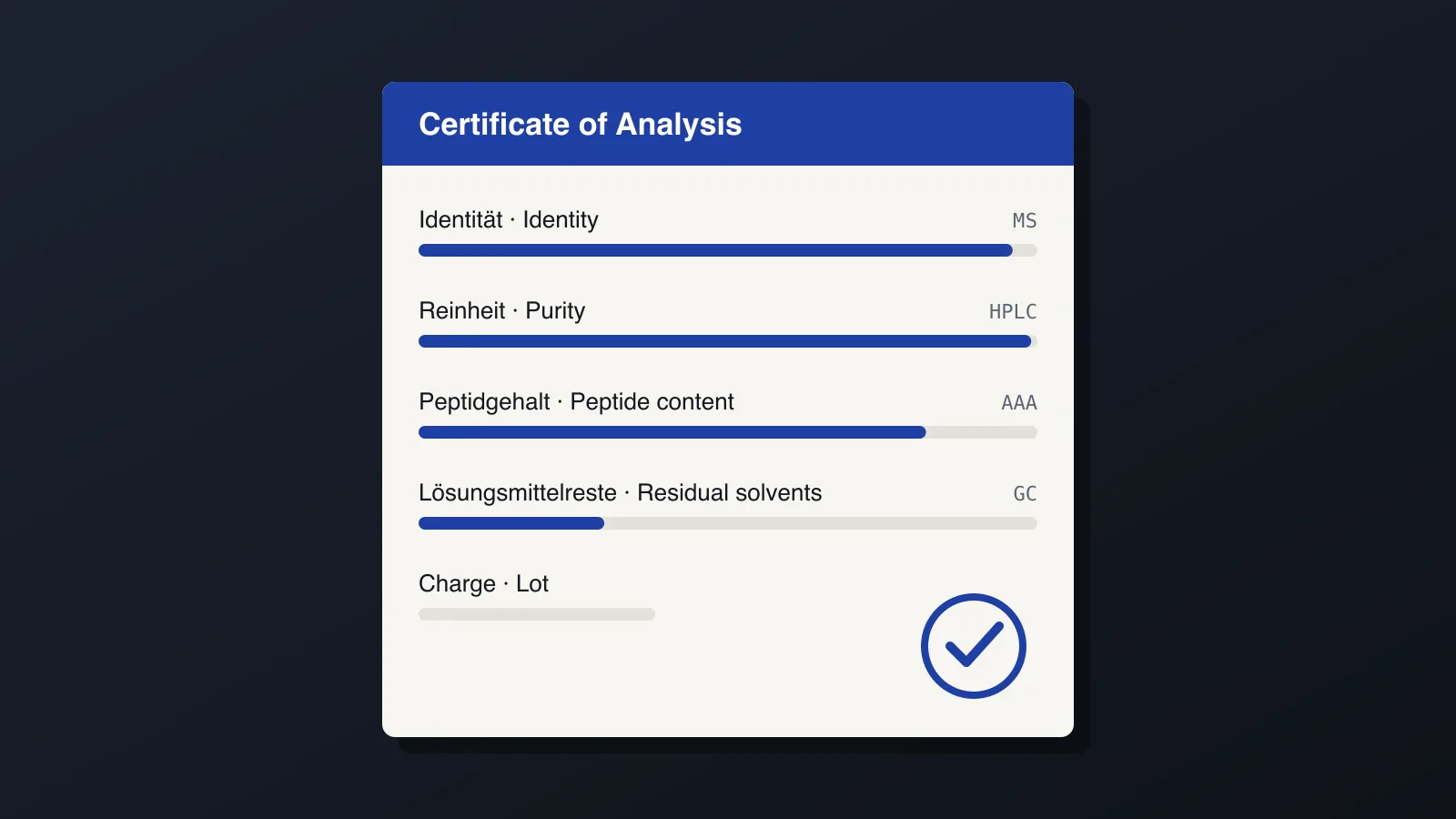
The CoA is the central document for batch verification. It should include at least:
- Identity of the substance (e.g. by mass spectrometry)
- Purity (usually by HPLC)
- Net peptide content (if determined)
- Batch number
- Date and method of analysis
Without a traceable CoA, the quality of a batch cannot be verified.
Why every lot needs its own certificate
Every lot comes from its own production run. Coupling yields in synthesis, separation in purification and residual moisture after freeze-drying vary from run to run. Two lots of the same peptide can therefore differ in purity, peptide content and by-products. A certificate describes only the lot that was tested.
An earlier analysis of a product also says nothing binding about the lot delivered today. It shows how good earlier stock was. For the current delivery, only the certificate with the matching lot number counts.
Practical Checks Before Use
- Download and review the CoA for the batch
- Compare the batch number on the label with the CoA
- Contact the supplier if there are discrepancies
- Consider independent analytical verification for critical experiments
Checking a lot step by step
| Step | What to check | Where to find it |
|---|---|---|
| 1. Match | Lot number identical on vial, delivery note and CoA | Label, delivery note, certificate |
| 2. Identity | Measured mass matches the calculated mass | Mass spectrum in the CoA |
| 3. Purity | Value with method and chromatogram | HPLC section of the CoA |
| 4. Amount | Peptide content, or at least the counterion | CoA |
| 5. Shelf life | Expiry date and storage conditions | Label, safety data sheet |
| 6. Release | Testing lab, date and the person who released it | CoA |
Reading the label
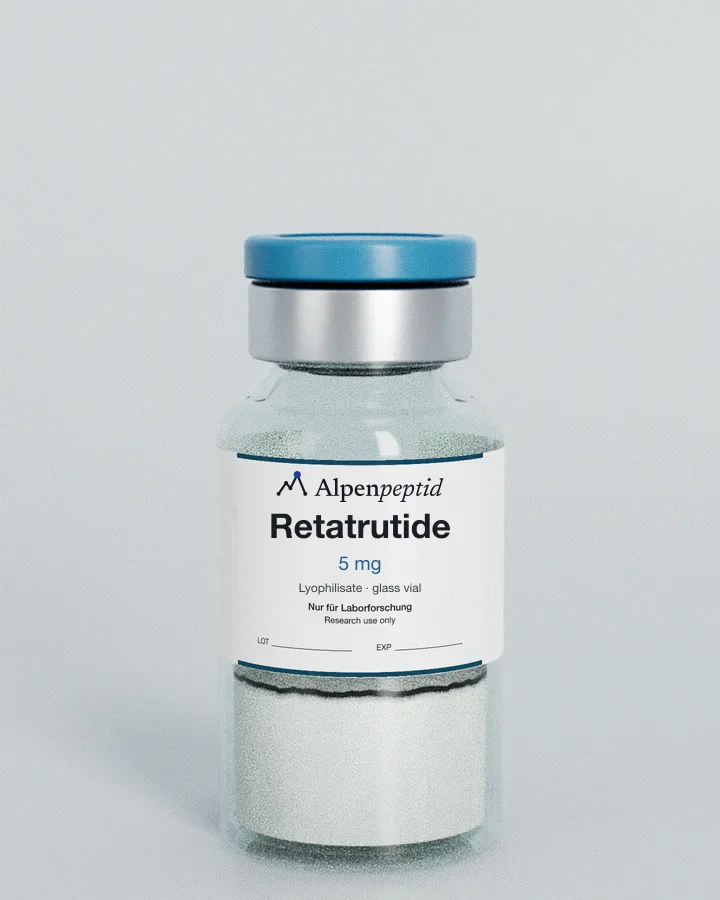
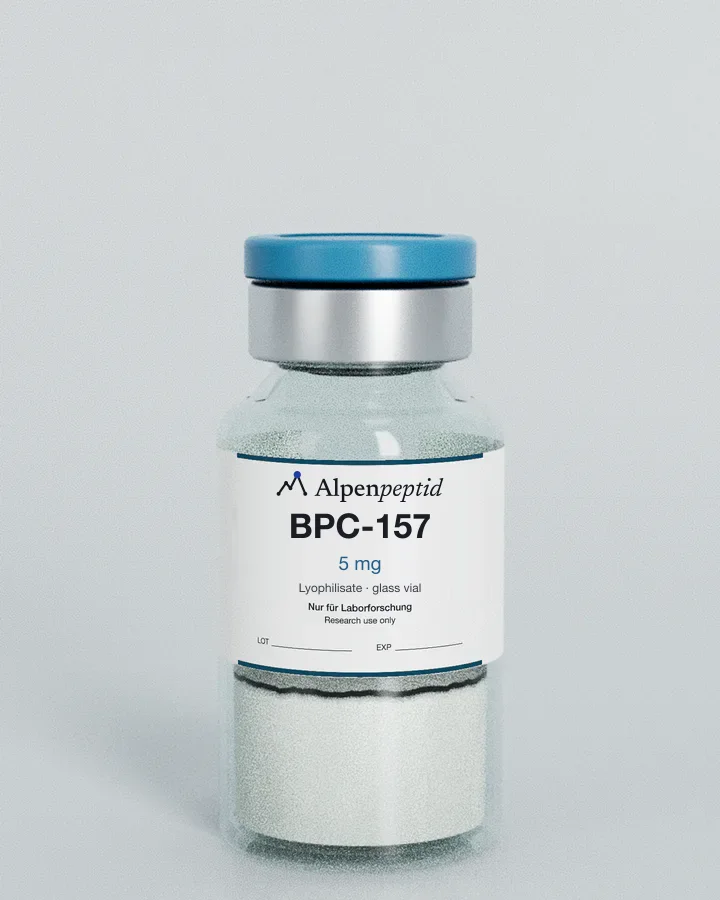
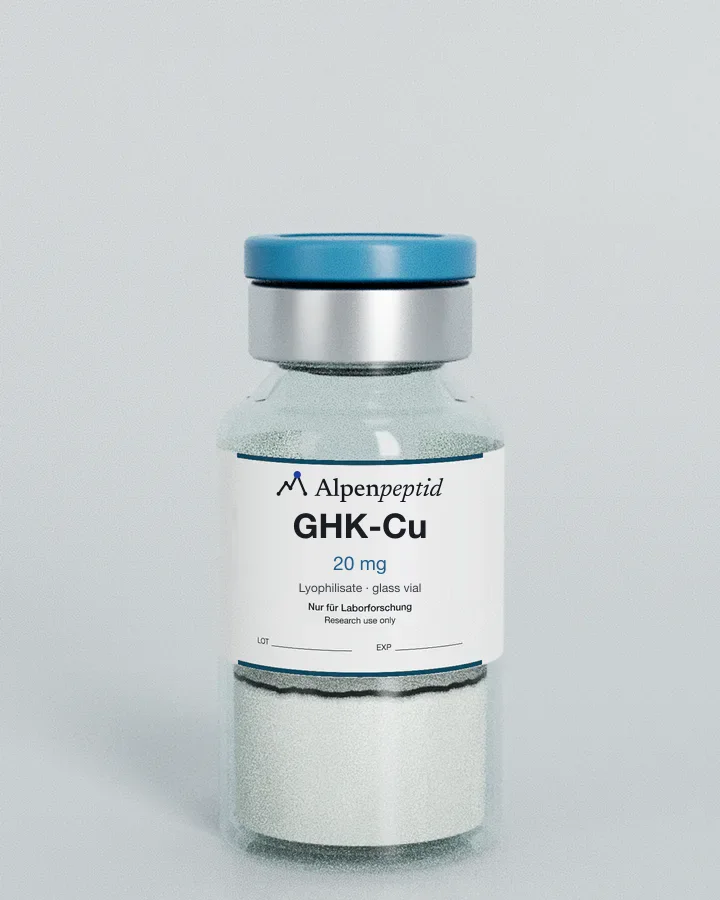
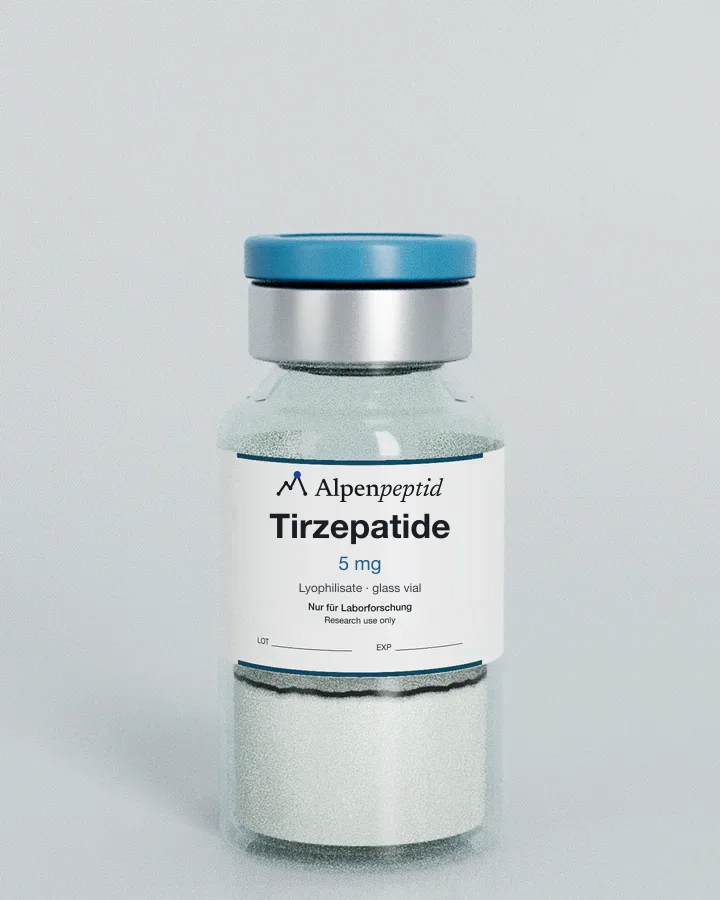
A vial’s label usually states the product name, declared amount, lot number and expiry date. The declared amount refers to the lyophilisate, not the pure peptide. The expiry date only applies when stored as required and to the unopened vial. Once dissolved, the stability of the solution decides how long the material can be used. If the lot number is hard to read or missing, the vial can’t be matched to a certificate and should not be used.
When values don’t match
If the lot number differs, a value is missing or the measured mass doesn’t fit the sequence, do not use the lot. Document the deviation with photos of the label and delivery note and contact the supplier with the order number. A mass 16 Da too high, for example, can point to oxidised methionine. More on such shifts is in HPLC and mass spectrometry.
Commissioning your own check
For critical series of experiments, an independent test is worthwhile. Ask a lab for LC-MS for identity, RP-HPLC for purity and, if needed, a peptide content determination. Send an unopened vial from the lot to be tested and ask for the lot number to be stated on the report. Check whether the lab is accredited, for example to ISO/IEC 17025.
Lots at Alpenpeptid
Every vial carries a lot number. For a released lot, the certificate of analysis is shown directly on the product page, together with expiry, purity and testing lab. You can look up any number under Verify a lot. Earlier lab results are kept separately under Analyses and are marked as earlier analyses. How lots are recorded and released is described on the Lots page.
Common questions
Why is peptide content never 100%? Because peptides are isolated as salts and lyophilisates take up water. Counterions and residual moisture count towards the weighed mass, but not towards the peptide.
Is a lot with 95% purity worse than one with 99%? Not necessarily for every purpose. What matters is whether the purity is enough for your experiment and whether identity and peptide content are documented. Higher purity makes sense for sensitive assays.
How long should I keep certificates? As long as the experimental data produced with the lot. File the CoA with the lab notebook entry.
Conclusion
Net peptide content and complete batch analytics are key quality indicators when purchasing research peptides. Checking both systematically creates a transparent basis for laboratory work.
Related pages: Quality · Verify a lot · Peptide content vs purity
For laboratory research use only. Not for use in humans or animals.