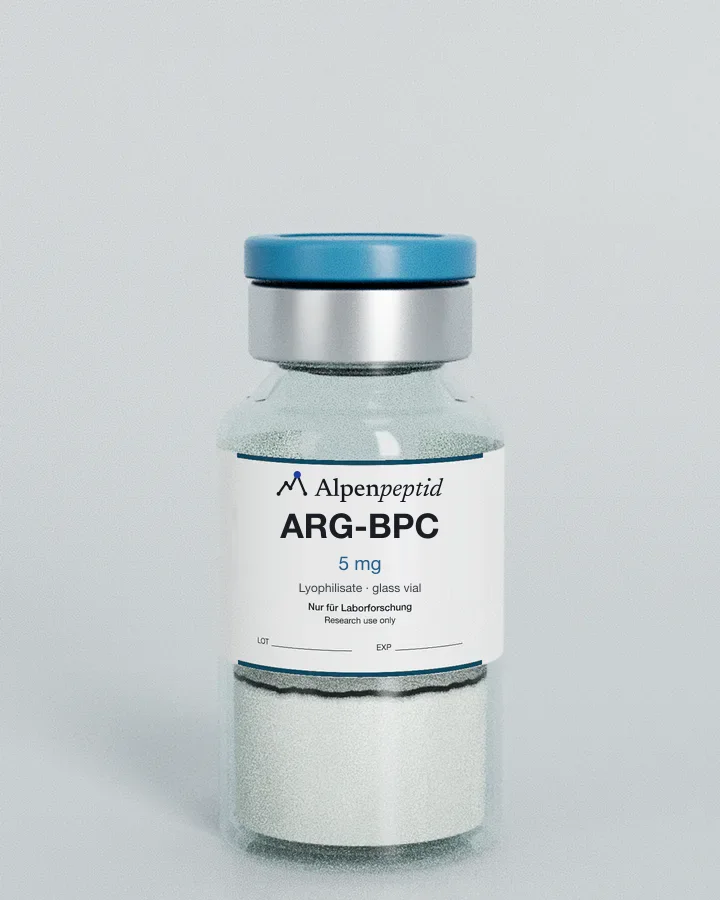
 Lyophilisate in a glass vial
Tissue regeneration research
15 products from €24.99
Peptides for basic research on tissue repair, cell migration and the extracellular matrix. In the lab they are usually studied in cell and tissue models.
Lyophilisate in a glass vial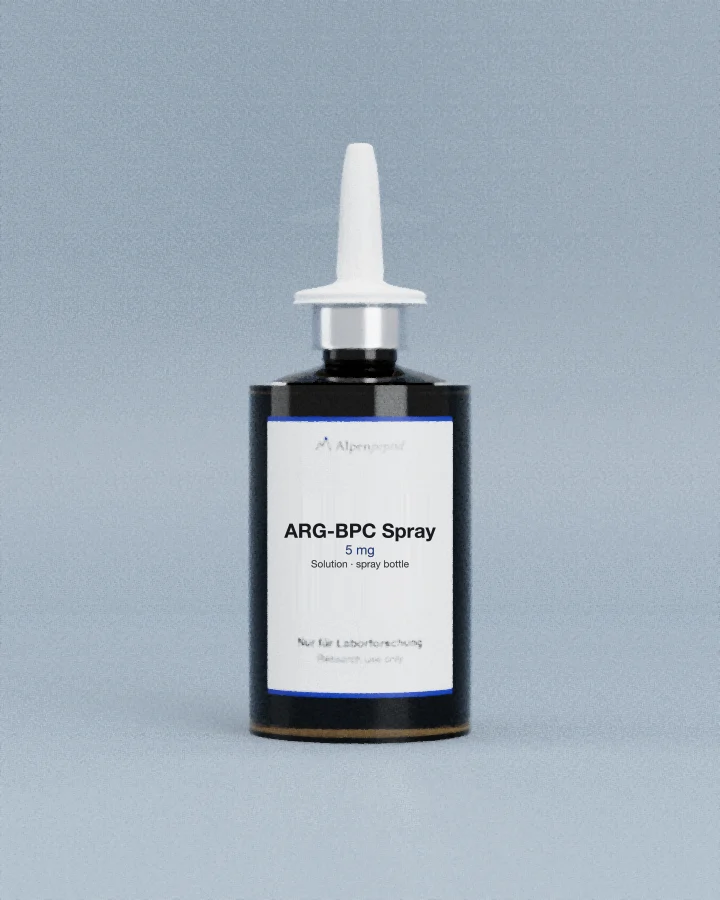 Spray bottle
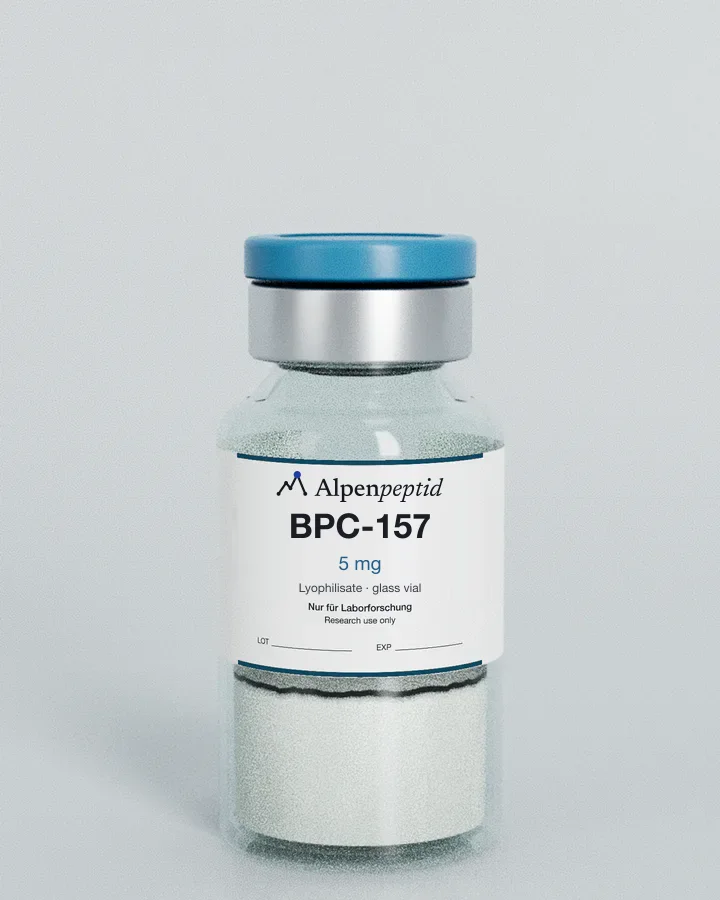 Lyophilisate in a glass vial
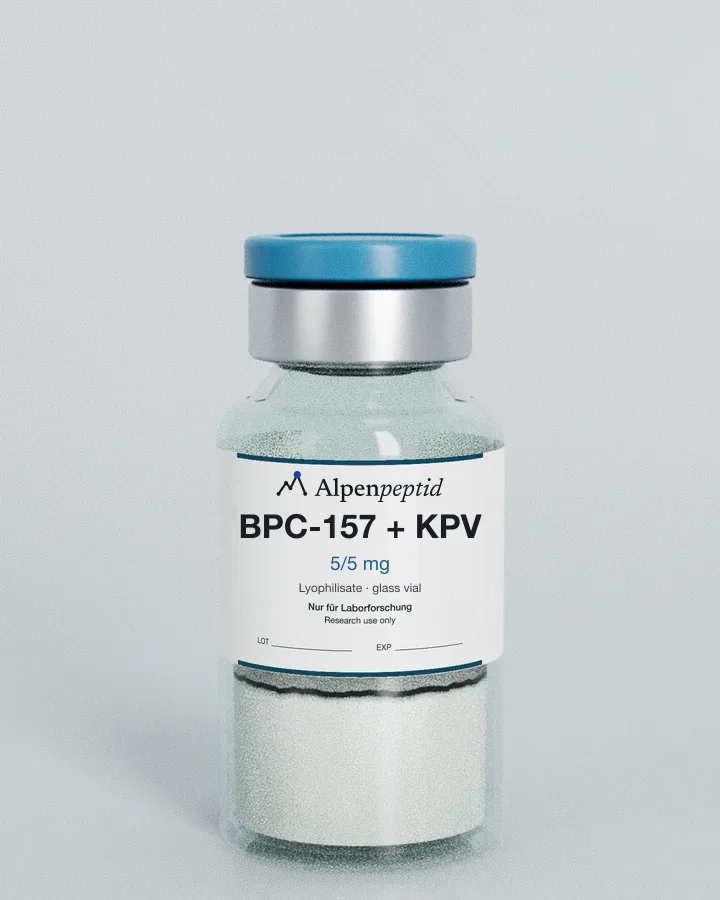 Lyophilisate in a glass vial
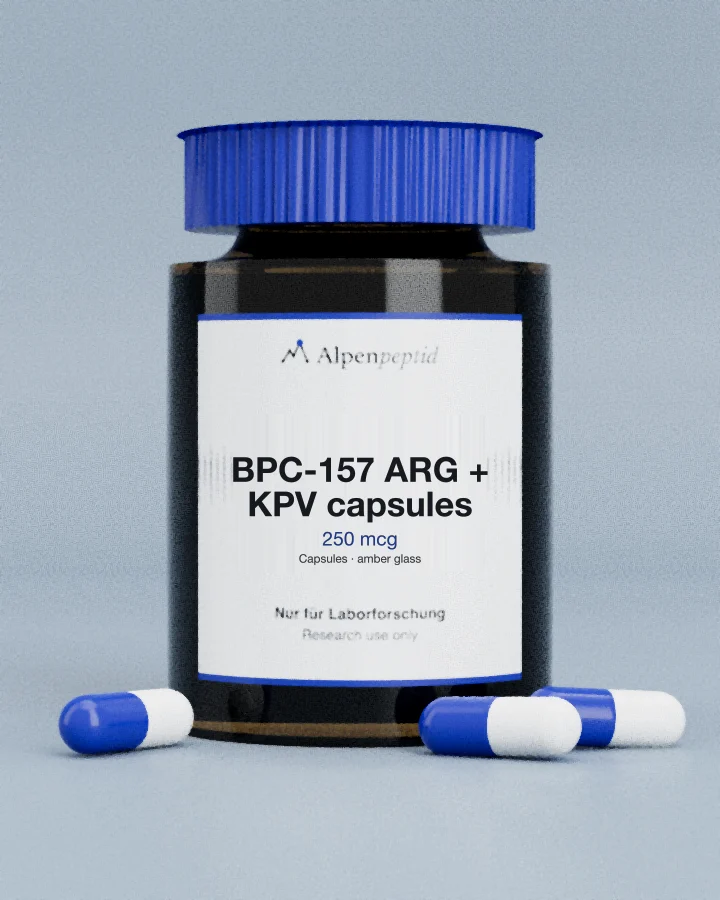 Capsules
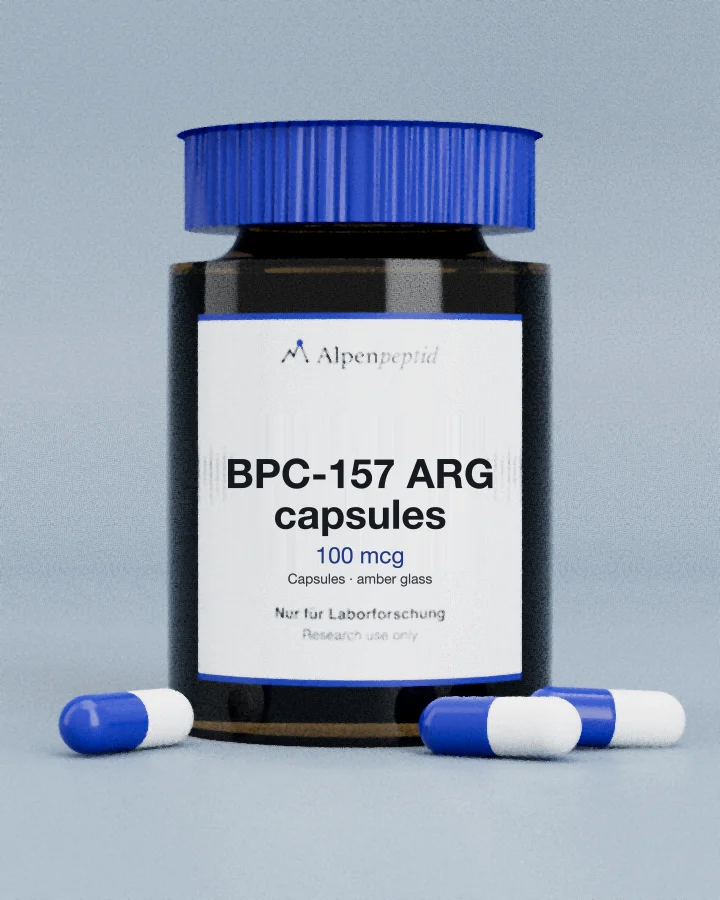 Capsules
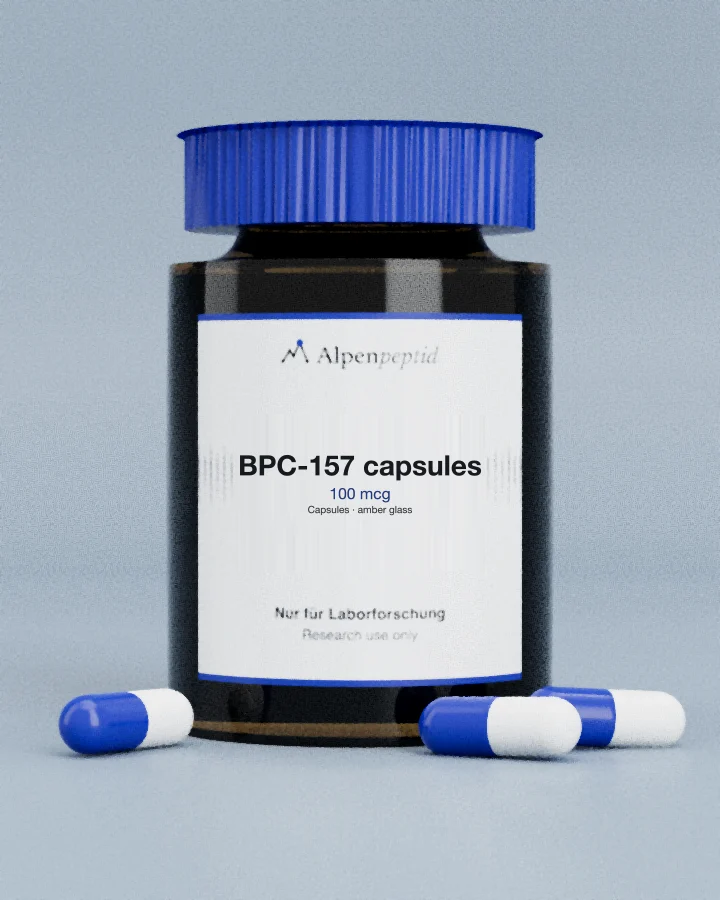 Capsules
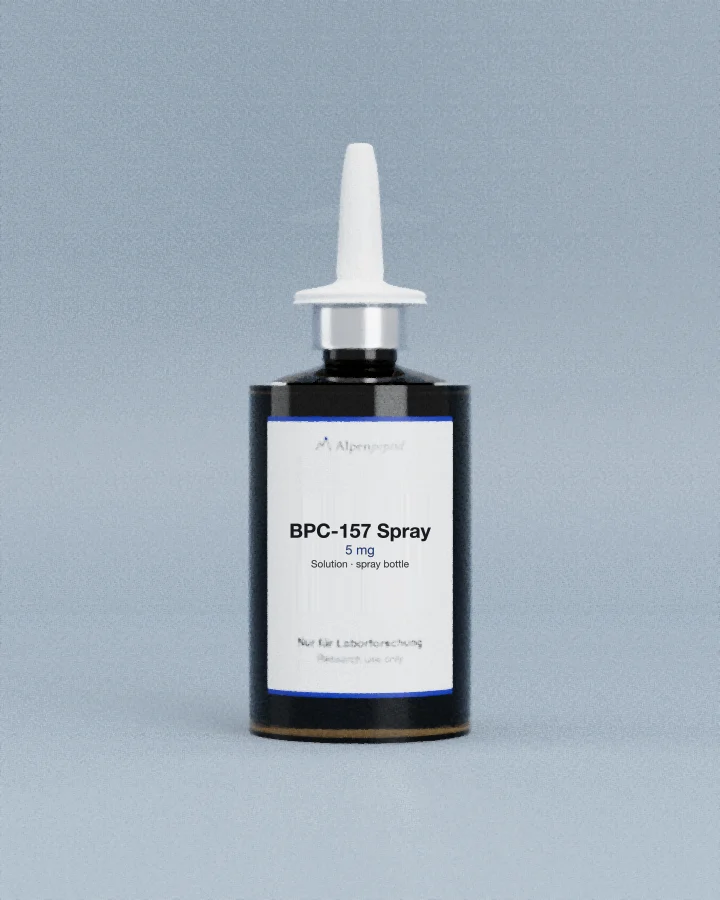 Spray bottle
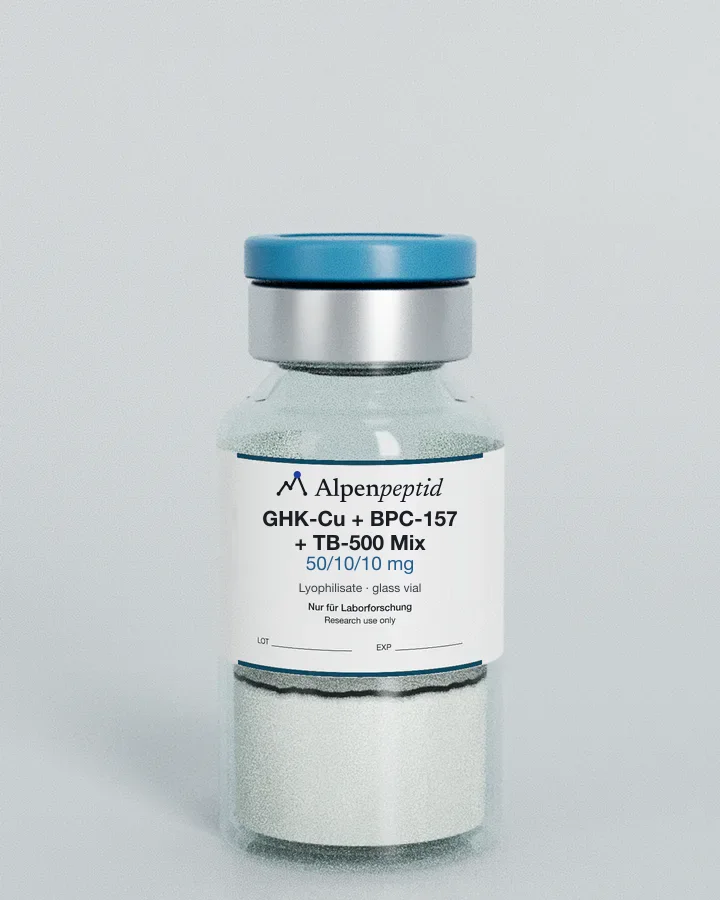 Lyophilisate in a glass vial
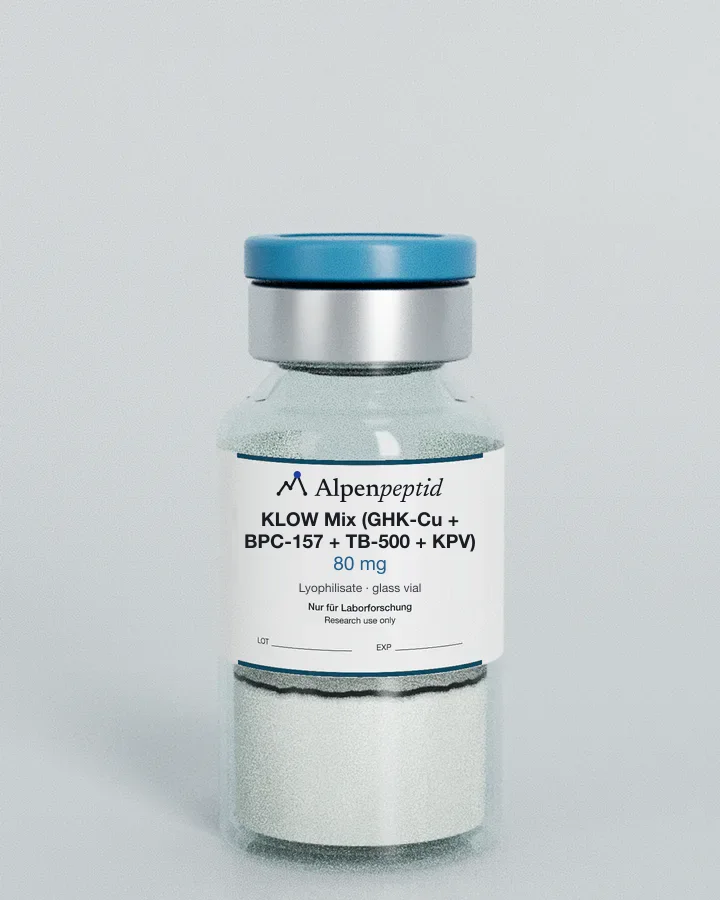 Lyophilisate in a glass vial
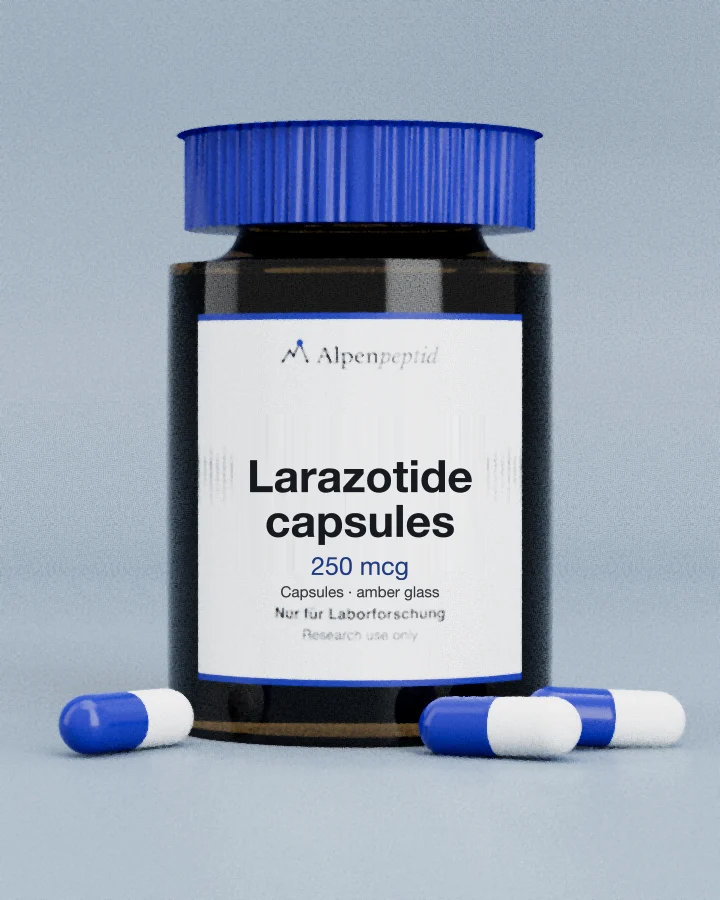 Capsules
 Lyophilisate in a glass vial
 Lyophilisate in a glass vial
 Lyophilisate in a glass vial
 Lyophilisate in a glass vial
About Tissue regeneration research
The peptides in this area are studied in basic research on tissue repair, cell migration and the extracellular matrix, mostly in cell and tissue models. BPC-157 is a synthetic peptide of 15 amino acids whose sequence is derived from a protein in gastric juice. TB-500 relates to a section of thymosin beta-4. TP508 is a peptide derived from thrombin, and larazotide a peptide of eight amino acids.
Many products are mixes of several peptides in one vial: TB-500 + BPC-157, also known as the Wolverine stack, the combination with GHK-Cu known as GLOW, and KLOW, which adds KPV. For mixes the stated amount applies to each component as listed on the product page. Store according to the most sensitive component.
BPC-157 is also available as an arginine salt (ARG-BPC), in capsules and as a spray bottle. For BPC-157 and TB-500 we show earlier analyses on the product pages.
Comparisons and further reading
- BPC-157 vs TB-500
- What Are Peptides? Peptide Chemistry Basics Explained
- Storing peptides: fridge, freezer and lyophilisate
Common questions
What is the difference between BPC-157 and TB-500?
BPC-157 has 15 amino acids and derives from a gastric juice protein. TB-500 relates to thymosin beta-4. The data comparison shows formula, mass, sequence and price per mg side by side.
What is in a mix?
Several peptides in one vial, each in the amount stated on the product page. For exact work with a single substance, the individual peptides are better suited.
What is ARG-BPC?
BPC-157 as a salt with arginine instead of the usual acetate or trifluoroacetate counterion. The salt's molecular mass differs accordingly.
For laboratory research use only. Not for use in humans or animals.