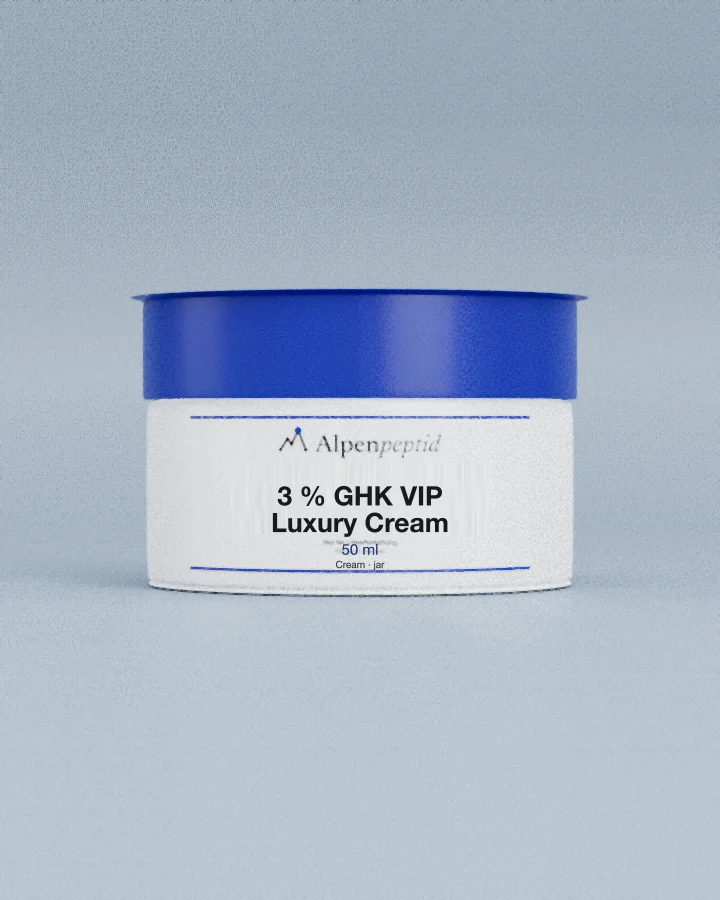
 Cream
Cosmetic peptides
12 products from €21.21
Peptides and peptide formulations from cosmetic science, such as copper peptides and signal peptides, as raw material or as cream and serum.
Cream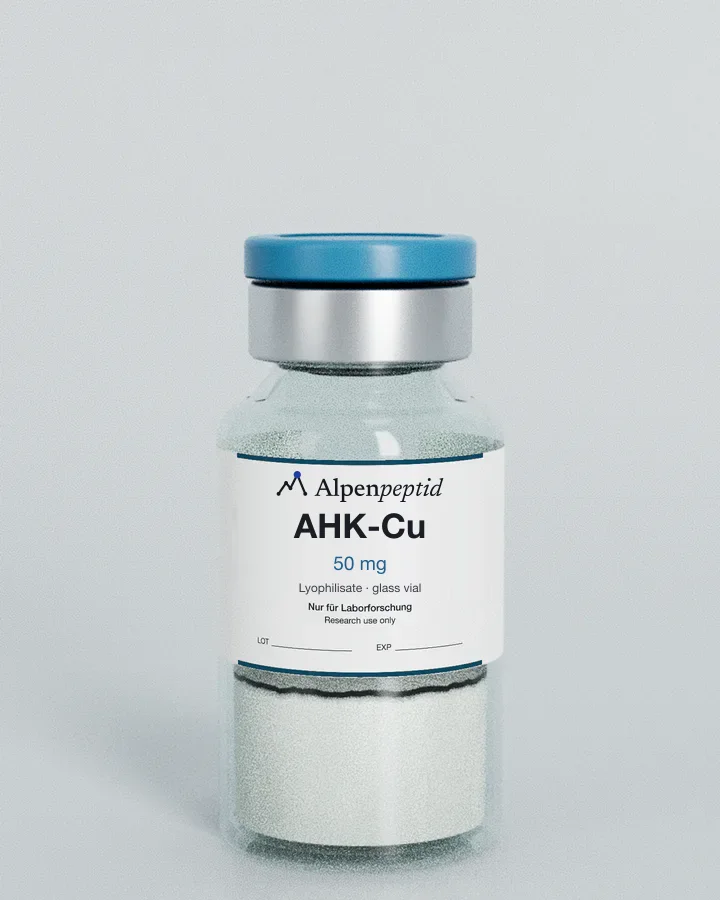 Lyophilisate in a glass vial
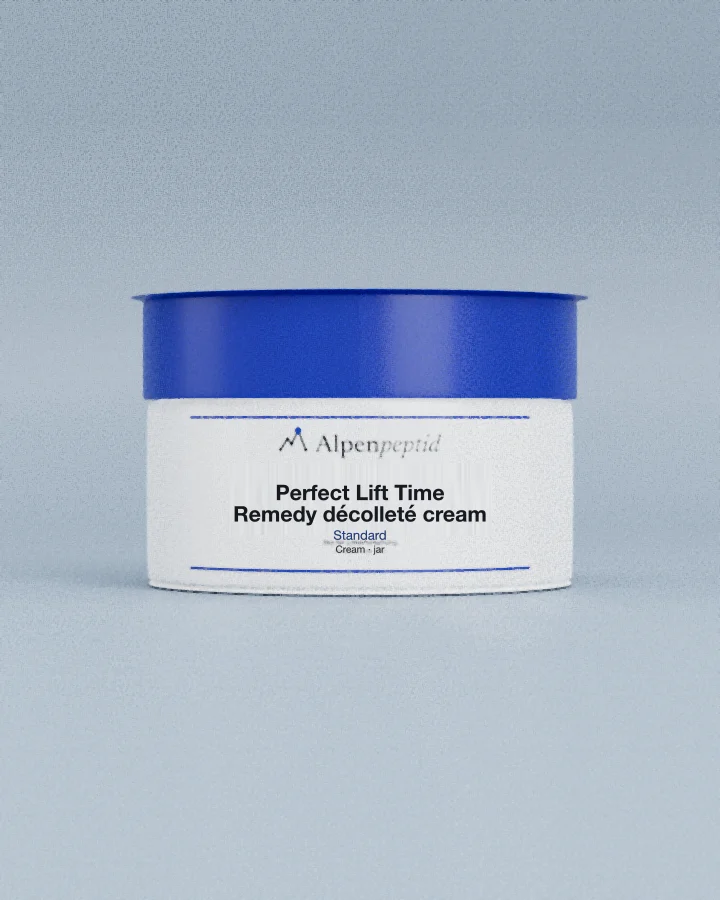 Cream
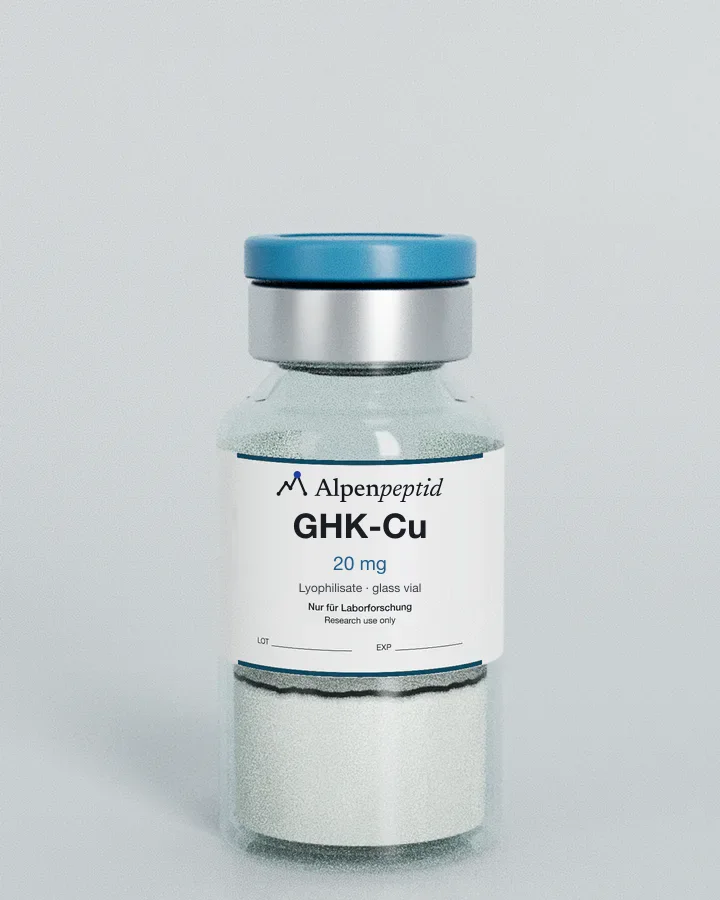 Lyophilisate in a glass vial
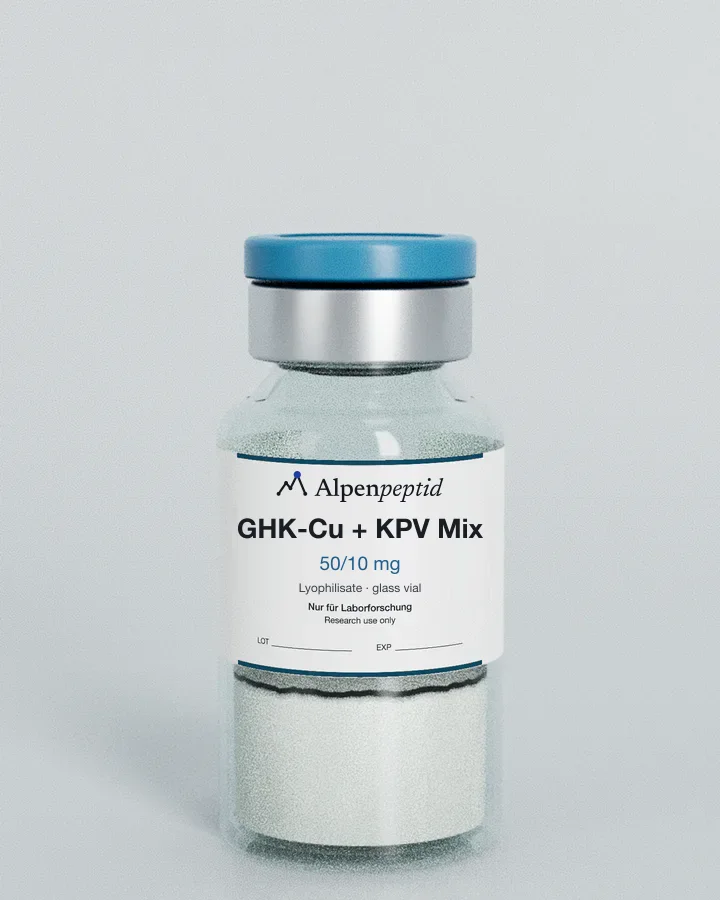 Lyophilisate in a glass vial
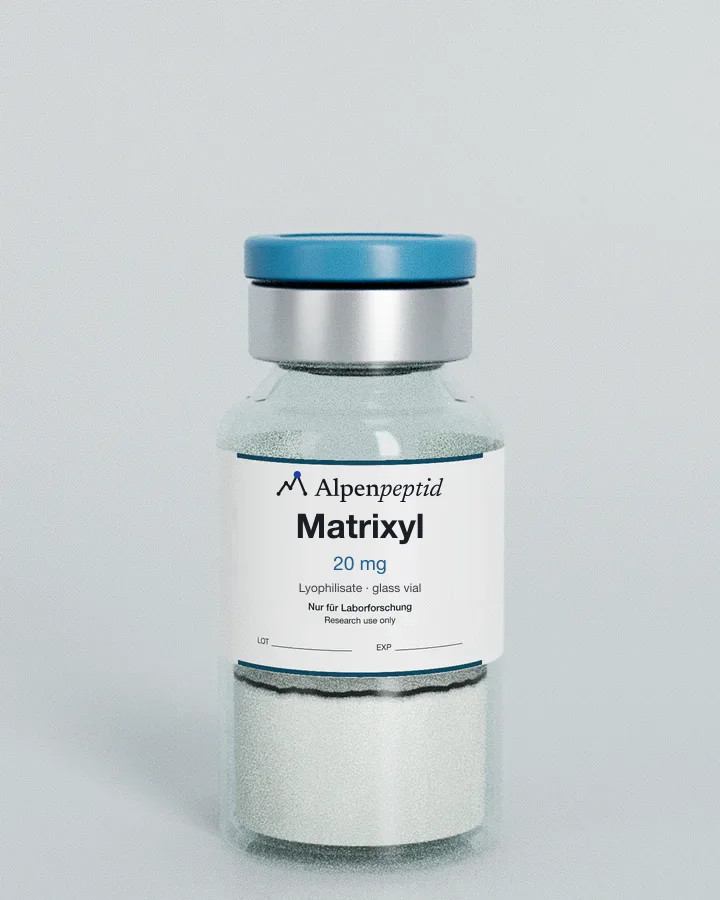 Lyophilisate in a glass vial
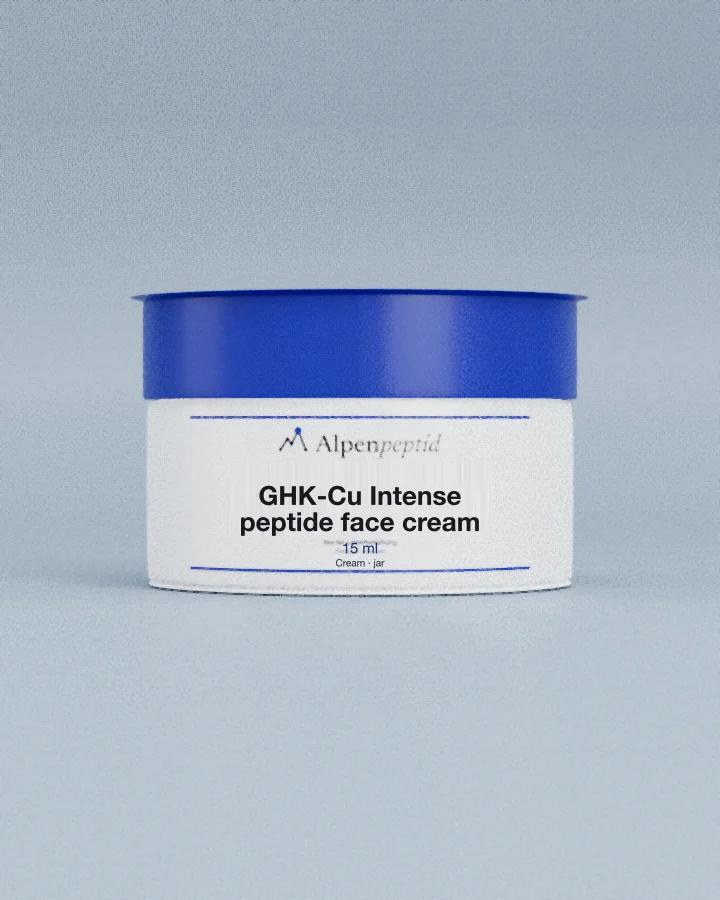 Cream
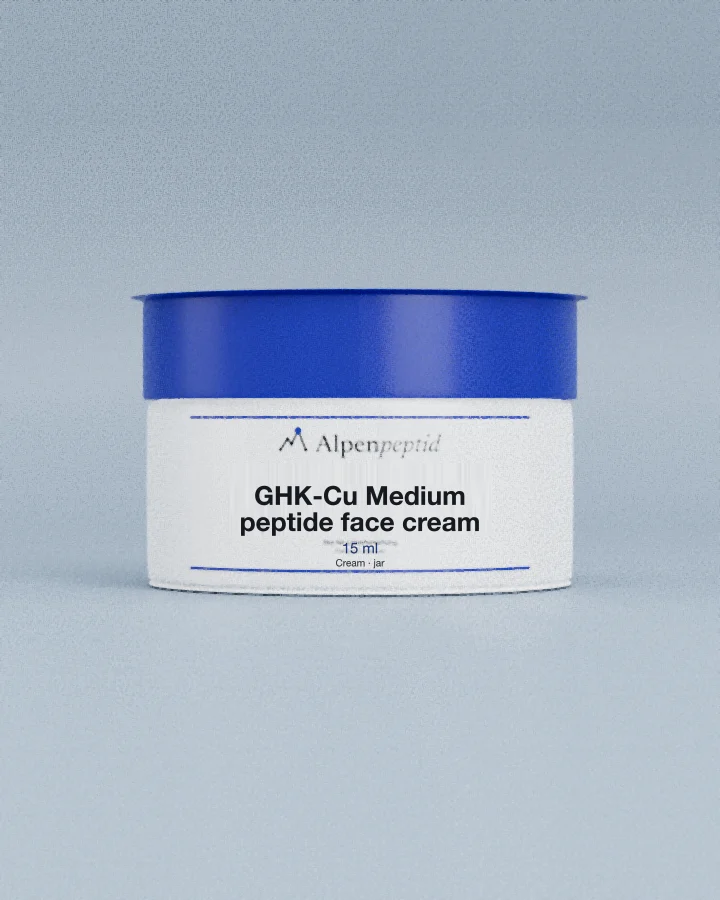 Cream
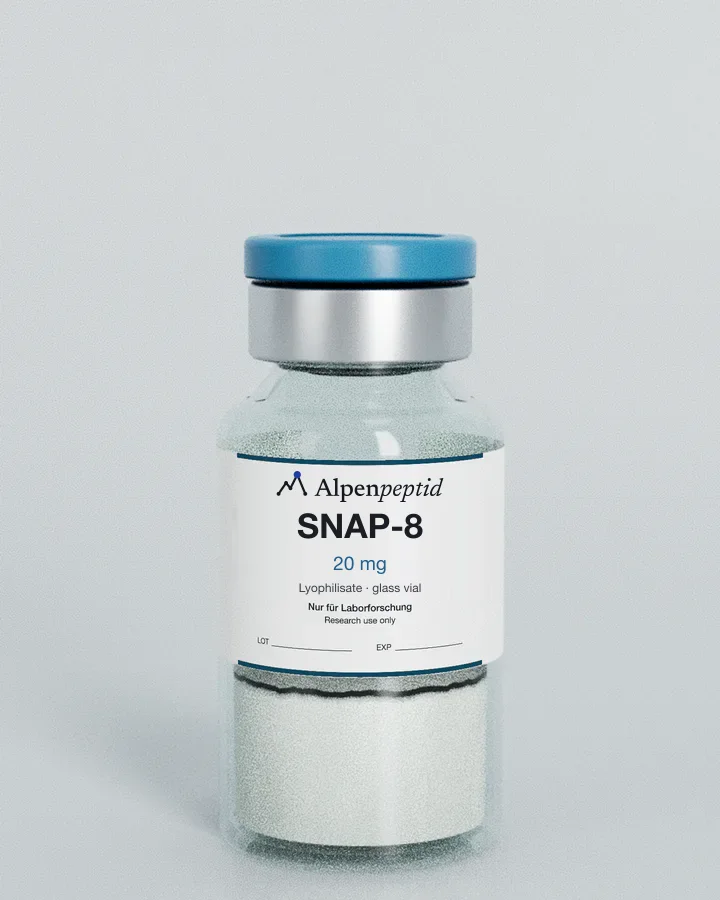 Lyophilisate in a glass vial
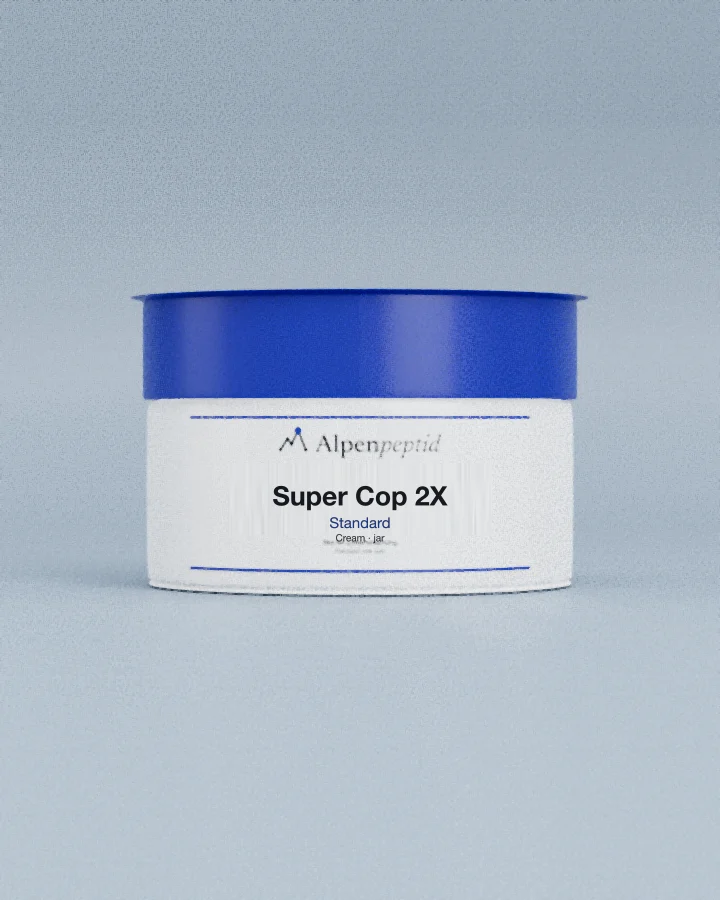 Cream
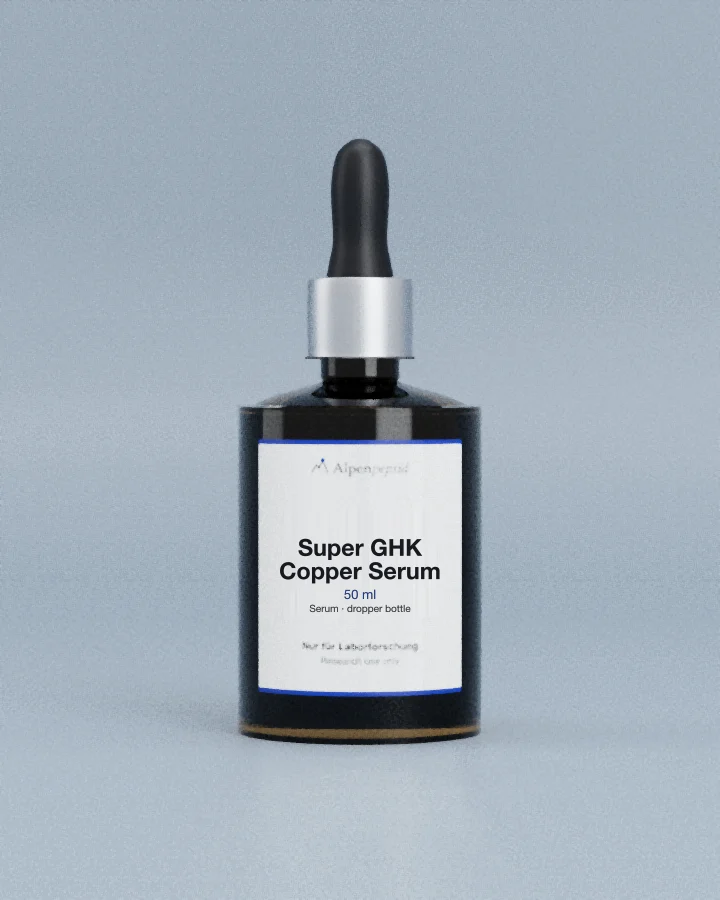 Serum
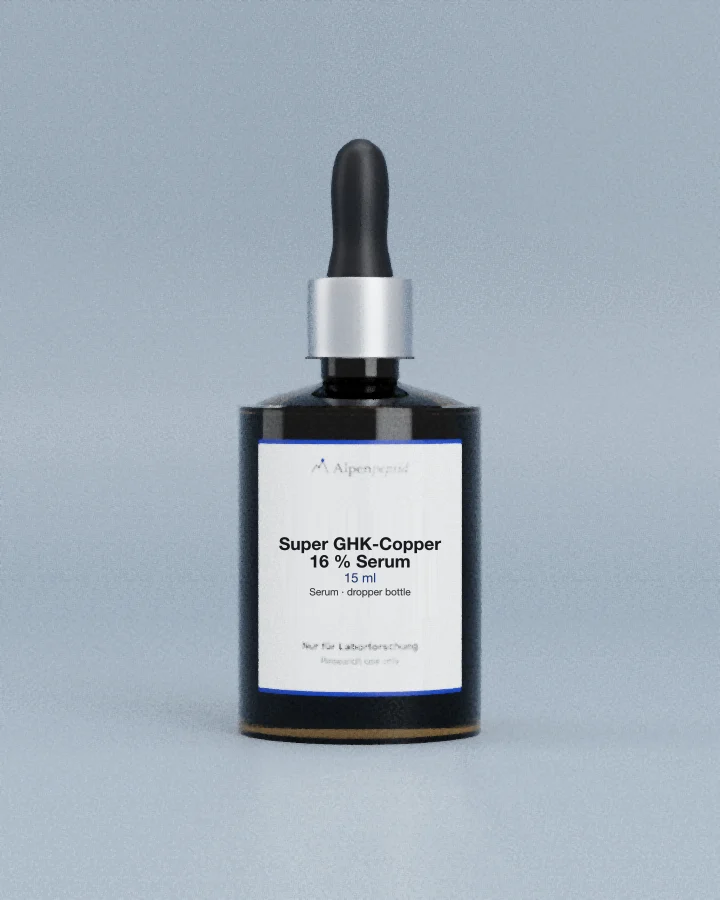 Serum
About Cosmetic peptides
Cosmetic peptides come from cosmetics research and are offered as raw materials or in finished formulations. GHK-Cu is the copper complex of the tripeptide Gly-His-Lys, AHK-Cu the copper complex of Ala-His-Lys. Matrixyl is listed in ingredient lists as Palmitoyl Pentapeptide-4, and SNAP-8 as Acetyl Octapeptide-3.
For raw materials the purity of the peptide matters most; for creams and serums it is the concentration in the formulation. Copper peptides are deep blue. Substances that bind metals, such as EDTA, can pull the copper out of the complex. Keep this in mind when working with formulations.
Alongside the raw materials in glass vials there are creams and serums with GHK-Cu and other peptides. The product pages give amount, concentration and form.
Comparisons and further reading
- GHK-Cu vs AHK-Cu
- Peptide Nomenclature Explained: Why the Same Substance Has Several Names
- Dissolving peptides: solubility for in vitro work
Common questions
What is the difference between GHK-Cu and AHK-Cu?
GHK-Cu starts with glycine, AHK-Cu with alanine. Both are copper complexes of short tripeptides. The data comparison shows formula, mass and price per mg.
What do the INCI names mean?
INCI names appear on ingredient lists of cosmetic products. GHK-Cu is listed there as Copper Tripeptide-1, Matrixyl as Palmitoyl Pentapeptide-4.
Why is GHK-Cu blue?
The colour comes from the bound copper. A clear change of colour in solution can indicate that the complex has changed.
For laboratory research use only. Not for use in humans or animals.