← Knowledge · Updated 6 November 2026 · 6 min read
The market for research peptides is crowded. Alongside transparent suppliers there are many shops with unclear information on origin, purity, and documentation. Anyone sourcing peptides for laboratory use should check a few clear criteria.
1. Transparent Analytical Data
A reputable supplier provides a current Certificate of Analysis (CoA) for every batch. As a minimum it should include:
- Identity of the substance
- Purity (usually by HPLC)
- Batch number
- Date of analysis
If a CoA is missing or only supplied on request after long delays, caution is advised.
2. Clear Labelling as Research Chemicals
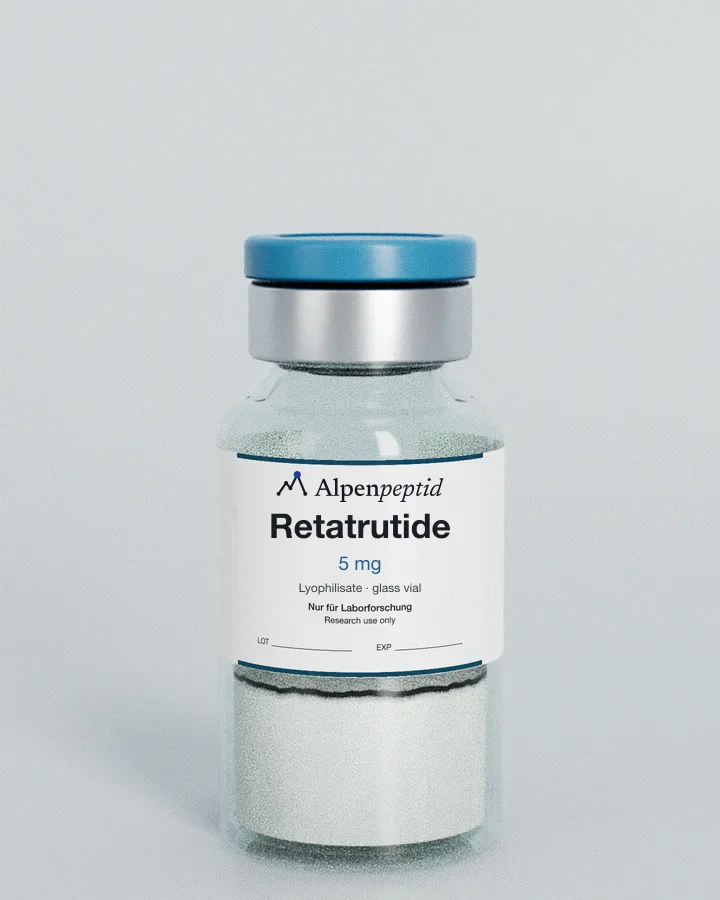
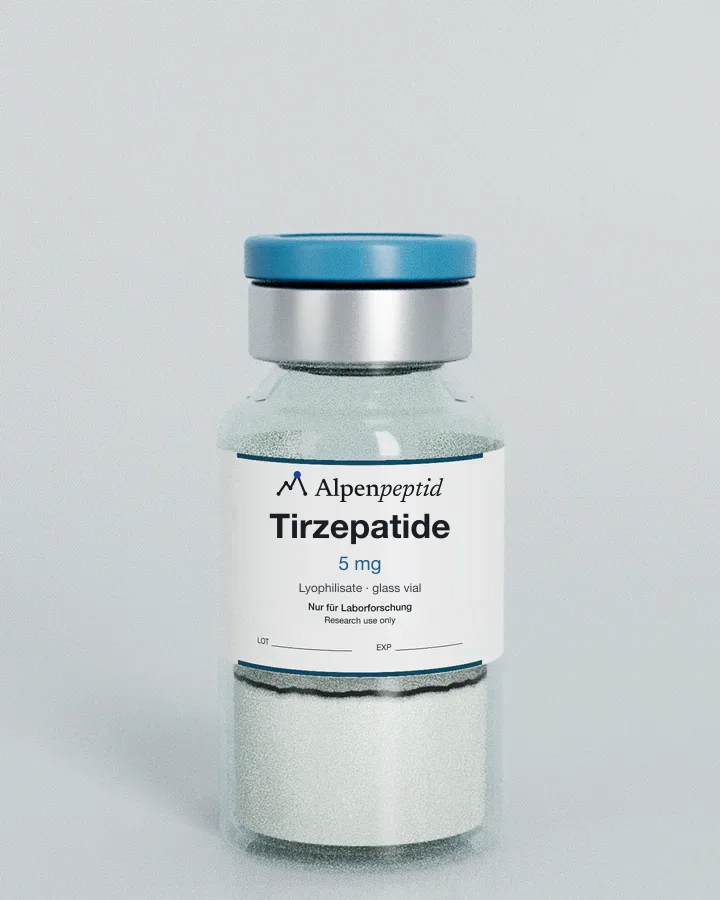
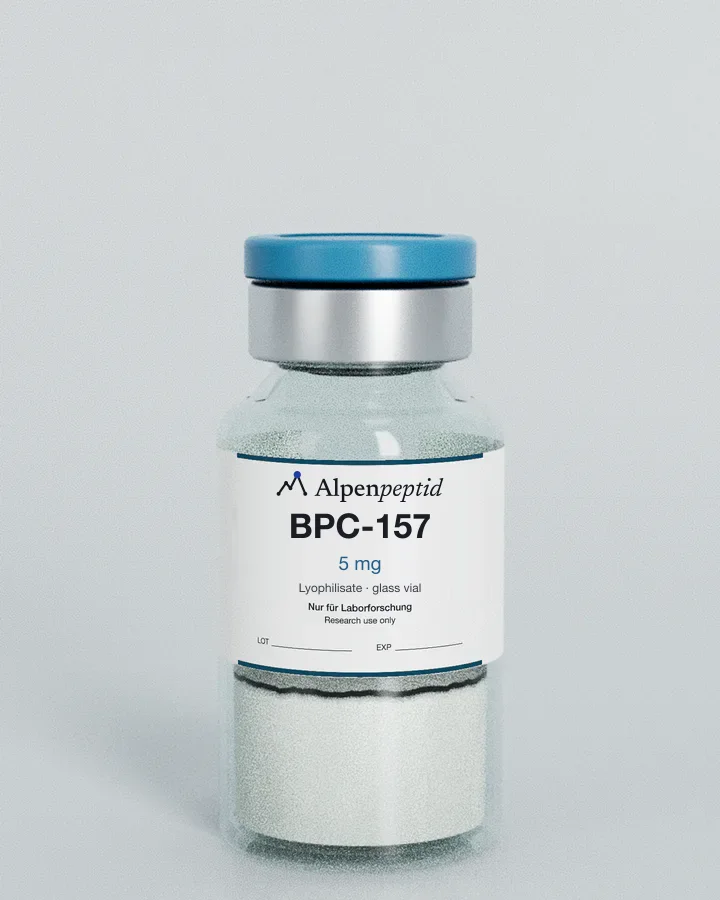
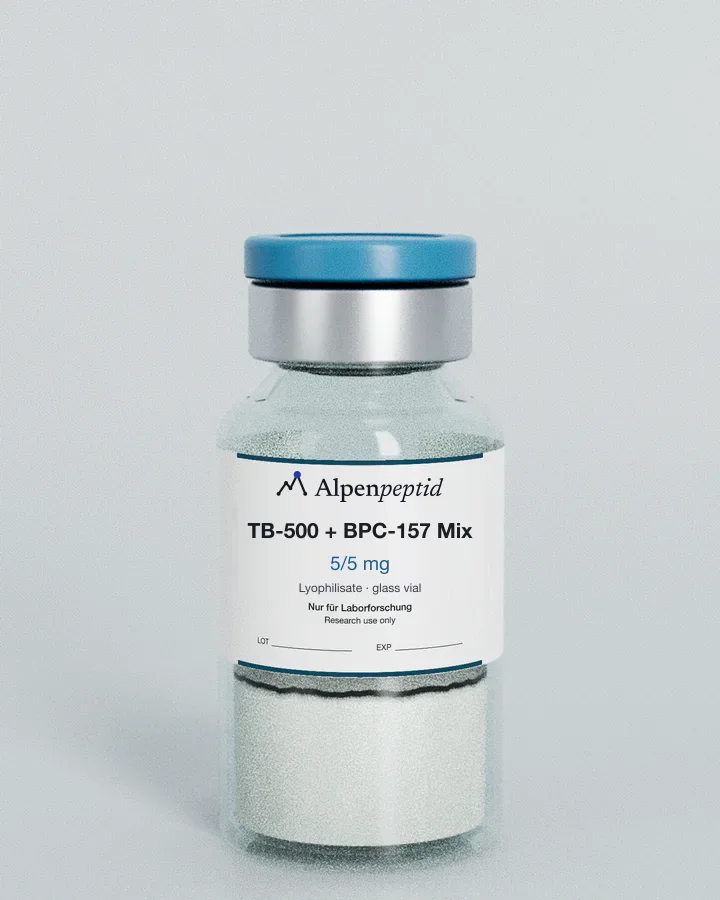
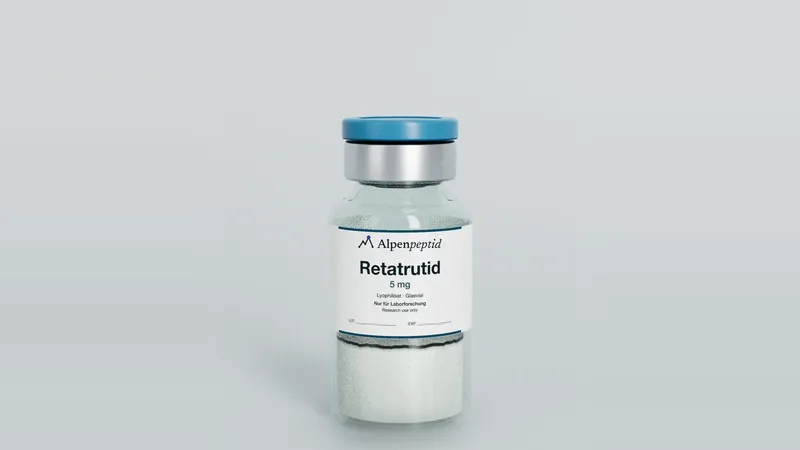
Serious suppliers clearly mark their products as “for research purposes” or “Research Use Only”. Language that suggests human use is a warning sign.
3. Traceable Company Information
Check for:
- Complete legal imprint / company details
- Reachable contact options
- Clear information about the company location
Suppliers without an imprint or with only anonymous contact details are generally unsuitable.
4. Delivery and Payment Terms
A professional supplier communicates clearly about:
- Shipping methods and delivery times
- Customs and import notes (especially relevant inside and outside the EU)
- Accepted payment methods
- Returns and complaint procedures
5. Consistent Product Information
Product pages should state sequence, purity, net peptide content, and storage recommendations. Contradictory or missing information indicates a lack of care.
6. A CoA that really matches the lot
A certificate is only worth something if it describes the lot you receive. Make sure the same lot number appears on the vial, the delivery note and the certificate. A supplier who shows the same document for every delivery of a product proves nothing about your material.
Also tell apart a certificate for the current lot and an earlier analysis. Earlier results can show how good older stock was. They do not replace a certificate for the material shipped today. A reputable supplier marks this difference clearly. How to read a certificate in detail is explained in How to read a peptide certificate of analysis.
7. Documented substance data, not marketing copy
A research peptide comes with checkable substance data: sequence, molecular formula, molecular mass and, where assigned, the CAS number. Good product pages name the source of these figures, such as a PubChem record. Where no clear record exists for a substance, that should be said openly rather than values being made up.
Be wary when a product page mainly promises effects in humans instead of giving substance data, shows user reports on use, or gives doses. For products intended only for laboratory research, such statements do not belong on the page.
8. Compare prices openly, per mg
The price per vial says little while fill amounts differ. So compare the price per milligram. Reputable shops show it for every size, without asking you to register.
A strikingly low price can be a sign that synthesis, purification or analysis were cut short. Also bear in mind that the price per mg refers to the declared amount of lyophilisate. How much pure peptide it contains depends on the peptide content. More on this in Peptide content and batch testing.
9. Being able to check a lot yourself
Good suppliers give you a tool to look up a lot number yourself. You enter the number from the vial and see the product, expiry and the matching documents. That makes the match checkable without having to send a request first.
10. A clear ordering process
Look at how the shop handles your data. An encrypted connection, a privacy policy and an order confirmation by email are the minimum. Before payment, the final price, shipping costs and VAT should be fixed. For bank transfers you usually receive the payment details only after ordering.
11. Responsiveness before you buy
A good test is a specific question before the first order, for example about the counterion, the peptide content or the testing lab for a lot. A reputable supplier answers factually and gives checkable details. Evasive answers, marketing promises or the claim that such data are “not usual” are a poor basis for a supply relationship.
Also check how complaints are handled. It should be clear whom to contact about a damaged parcel or a lot number that doesn’t match, and within what time.
12. Documents on storage and safety
Alongside the certificate, a lot should ideally come with a safety data sheet. It states storage conditions and notes on handling and disposal. For lab work it is the binding source on temperature and light protection.
Checklist at a glance
| Criterion | How you recognise it | Warning sign |
|---|---|---|
| Analysis | CoA per lot with method and lab | No CoA, or the same one for every lot |
| Lot link | Same number on vial and certificate | No lot number on the vial |
| Substance data | Sequence, formula and mass with a source | Only promises of effects |
| Labelling | “For laboratory research only” | Hints at use in humans |
| Prices | Price per mg visible without logging in | Prices on request only |
| Company | Imprint, address, working email | Anonymous contact forms only |
| Shipping | Zones, delivery times and costs stated | Unclear origin of the goods |
How Alpenpeptid handles these points
At Alpenpeptid every price and the price per mg are public in the catalogue. Earlier lab results are on view in the Quality section and are marked as earlier analyses, not as the certificate for the current lot. The certificate of a released lot is shown directly on the product page. You can look up any lot number under Verify a lot. The company details are given in full in the imprint.
Common questions
Is high purity enough proof of quality? No. HPLC purity only says how large the target peptide’s share of the peptidic components is. Only mass spectrometry shows whether it is the right peptide. The peptide content shows how much peptide is in the weighed material.
Should I order small from a new supplier first? For critical experiments, yes. Check the documents and the lot match on the first delivery before buying larger amounts. How labs assess suppliers systematically is shown in Qualifying a peptide supplier.
What if documents are missing? Ask the supplier for the certificate for the lot number. Until it arrives, the lot should not go into a running series of experiments.
Conclusion
When buying research peptides, transparency matters more than price. Focus on complete analytical data, clear labelling, and traceable company information to reduce the risk of receiving unsuitable material.
Related pages: Quality and batch testing · Verify a lot · Research peptides in the catalogue
For laboratory research use only. Not for use in humans or animals.